
Category: Uncategorized
-

The Open Skill-Centre: Changes for 2026!
As we approach the start of a new year, I have been doing a lot of reflecting on what it means to be an eye care professional in 2026. For the past several years, The Eye Care Advocate has been a place for clinical resources and skill-sharing. But as I’ve navigated my own journey as…
-

Dry Eye Beyond the Bottle: Introducing IPL for Dry Eye
This post on Intense Pulsed Light Therapy (IPL) was written in collaboration with (and not sponsored by) Mainline Instruments. IPL for dry eye treatment is an emerging topic that both Mainline Instruments and myself would like to highlight to readers of The Eye Care Advocate. This is to ensure you are aware of further treatment…
-

Charles Bonnet Syndrome: A Guide for Eye Care Professionals
This article about Charles Bonnet Syndrome is intended for a professional audience, including eye care and medical professionals, for educational purposes. It does not constitute bespoke medical advice. Should you or a person you care for experience hallucinations or any significant changes to their vision, please seek urgent advice from an eye care professional. What…
-
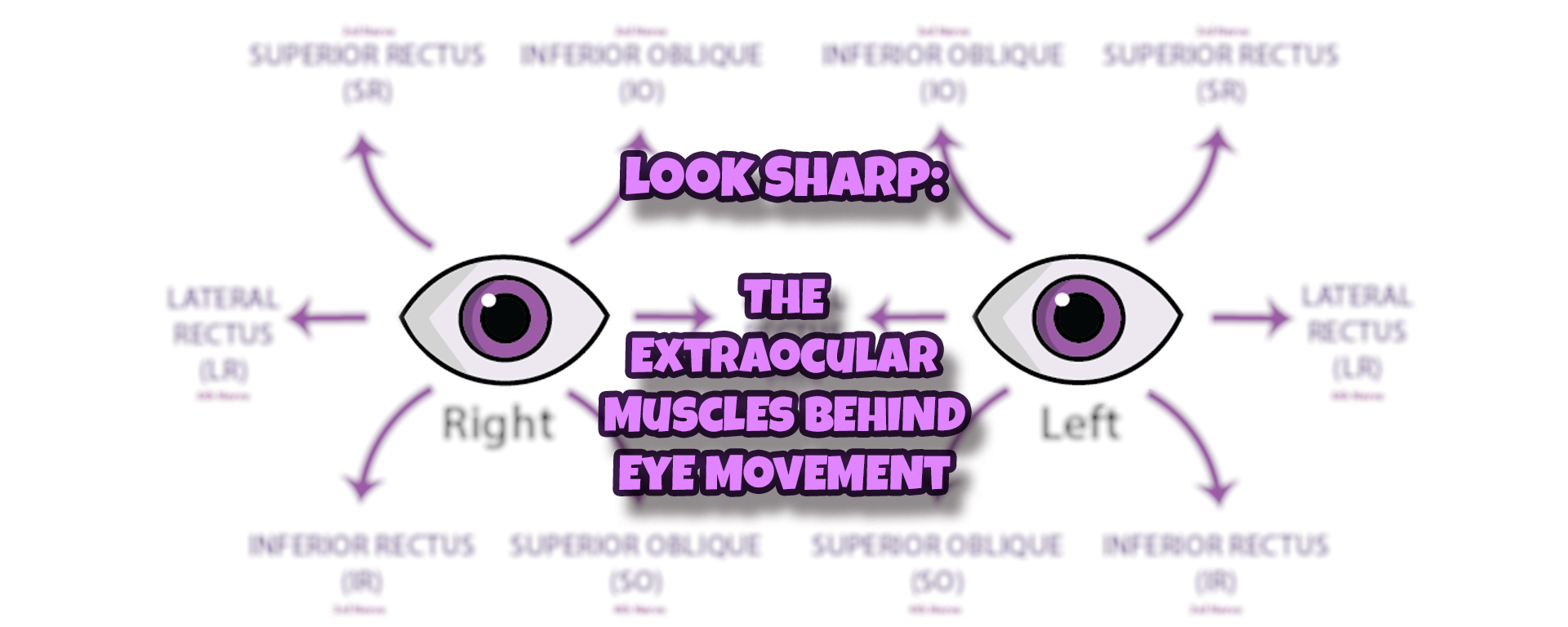
Look Sharp: The Extraocular Muscles Behind Eye Movement
The extraocular muscles are the powerhouse of eye movement. They work behind the scenes, shifting our gaze, tracking objects, and keeping vision stable as we move through the world. Six muscles1 control these precise movements, each playing a vital role in positioning the eyes. Whether looking up, down, side to side, or adjusting for fine…
-

Receiving Valid Consent: It’s Better Received Than Taken
Receiving valid consent is a fundamental aspect of healthcare, including optometry and optics. It ensures that patients are fully informed and willing to participate in their care. Unconsented contact, such as touching an eyelid, may be considered assault in the eyes of the law, making it essential to receive valid consent to stay within legal…
-

Communicating With Patients: A Key Skill in Optometry
Effective communication is the cornerstone of successful patient care. When it comes to optometry, communicating with patients is crucial to understanding their needs and providing the best possible treatment. The General Optical Council (GOC) emphasises the importance of communication as one of its standards (GOC Standard 2: Communicate effectively with your patients). This standard guides…
-

Why You Should Prepare for Optometry Lectures and Practicals
Introduction Preparing before optometry lectures completely transformed my time as a student. When I began reviewing material ahead of class, I noticed a significant improvement in my understanding. Optometry lectures became more engaging, and I could participate actively. This habit also made practical sessions and seminars more rewarding, as I was ready to apply concepts…
-

Optometry Degree Clinics: 10 Helpful Tips To Maximise Your Learning
Introduction Embarking on an optometry degree is an exciting and challenging journey. As a first-year student, you are stepping into a field that combines academic learning with practical skills. This guide is designed to help you navigate the clinical aspects of your optometry degree, ensuring you are well-prepared and confident in your abilities. Written by Jason Searle, an…
-

Optometry Networking: Key for Professional Growth and Career Success
Networking is an indispensable part of building a successful career in any profession and optometry is no different. It’s not just about exchanging business cards or LinkedIn profiles; it’s about creating meaningful connections that can lead to a wealth of opportunities and shared knowledge. In this blog post, we’ll explore the various facets of networking…
-

Friday Quotes: The Journey of a Thousand Miles
In the field of optometry and ophthalmology, the journey from education to professional establishment involves multiple crucial steps. Whether it’s academic pursuit, gaining clinical experience, establishing a career, continuing education, or contributing to the profession, each phase is marked by persistent steps that contribute to personal and professional growth.