
Category: Skill Centre
-
Mastering Your Static Retinoscopy Technique: A Student Guide
In the modern world, where automated eye exams are creeping in, there is one skill that remains the ultimate “lie detector” for an optometrist: static retinoscopy. Also known as “skiascopy,” this is the art of objectively measuring a patient’s refractive error using nothing but light and lenses. While auto-refractors are quick, they can be fooled…
-
Communication Skills in Optometry: Why Email Etiquette Matters
There is a fascinating story from the world of gaming that perfectly highlights the shift we are seeing in digital interaction, especially regarding communication skills. The developers of a game called “After Hours” noticed their support system was failing. Players were sending emails for help, but the system couldn’t process them. Why? Because the players…
-
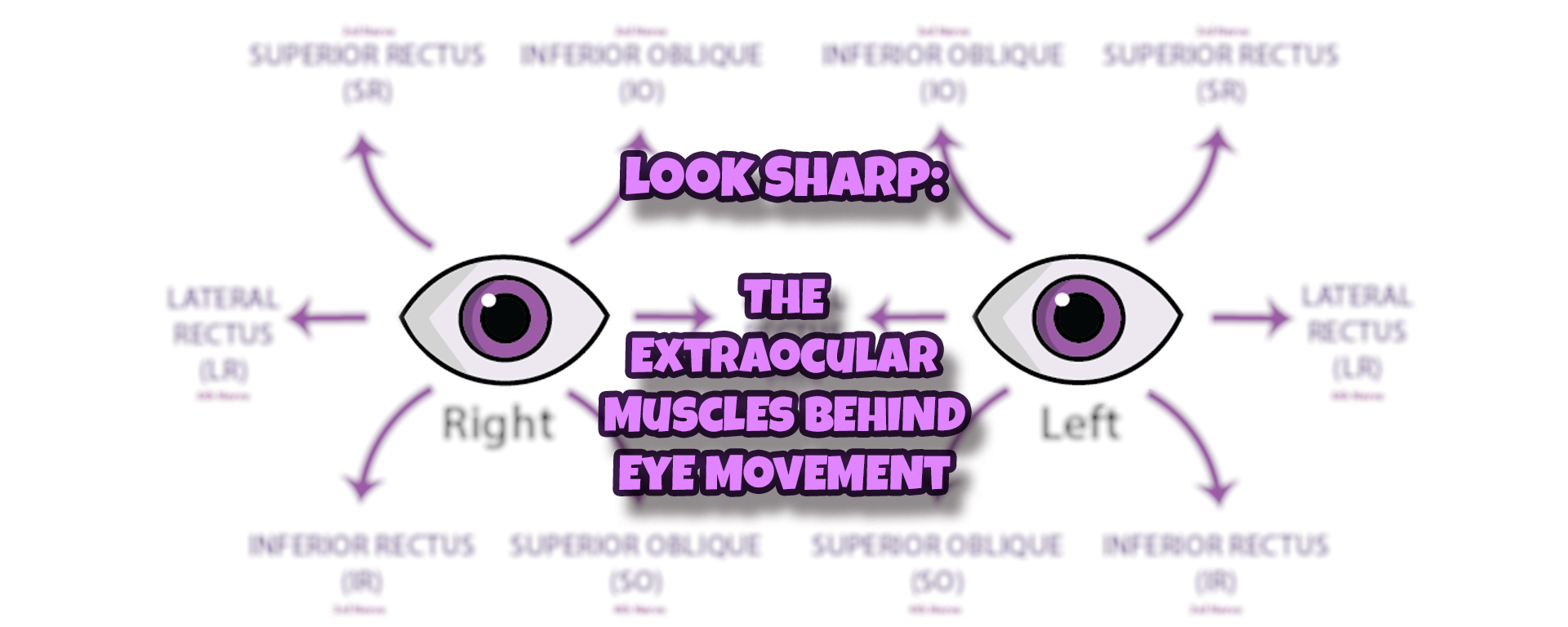
Look Sharp: The Extraocular Muscles Behind Eye Movement
The extraocular muscles are the powerhouse of eye movement. They work behind the scenes, shifting our gaze, tracking objects, and keeping vision stable as we move through the world. Six muscles1 control these precise movements, each playing a vital role in positioning the eyes. Whether looking up, down, side to side, or adjusting for fine…
-

Goldmann Applanation Tonometry: You’ve GAT This!
Goldmann Applanation Tonometry (also known as GAT) is the most trusted method for measuring intraocular pressure1 (IOP), crucial for detecting and managing glaucoma, amongst other reasons for requiring an IOP measurement. This technique involves flattening a small part of the cornea1,2 to estimate the eye’s internal pressure. Using the Imbert-Fick principle2, Goldmann applanation tonometry delivers…
-

Duochrome Test: A Simple Trick to Aid Your Refraction
The duochrome test is a simple yet powerful tool in subjective refraction1. It helps fine-tune the spherical endpoint by using longitudinal chromatic aberration1,2. Chromatic aberration is a property within optics where different wavelengths of light focus at slightly different points2. The test presents black letters or circles against a red-green split background2 (Figure 1). This…
-

Van Herick Technique: An Angle for Beginners
The Van Herick technique is a straightforward and effective way to assess the anterior chamber angle1,2. By using a slit lamp to observe the gap between the corneal endothelium and the iris surface, this method allows practitioners to quickly determine if further investigation is needed without discomfort to the patient. Moreover, it offers great interobserver…
-

Slit Lamp Filters: Lighting the Way to Better Eye Exams
Slit lamp filters play a crucial role in modern eye examinations. These adjustments to the slit lamp illumination can increase your ability to assess the eye effectively. Each filter has its own purpose, helping practitioners assess, diagnose, and manage various eye conditions with precision. From improving contrast to highlighting fluorescein staining, they add incredible value…
-

The Near Point of Convergence: Bringing the Eyes Together
The near point of convergence (NPC) is an important measurement in optometry, often overlooked by those both inside and outside the field. It’s a measure of how well the eyes can converge, or turn inward, to maintain single vision when looking at a close object. This simple yet effective test can diagnose a range of…
-

Soft Contact Lens Fitting: Assessing the Fit of Soft Lenses
In this guide, we will walk through the essential steps and tests involved in assessing the fit during a soft contact lens fitting. It is a crucial skill that ensures patients experience both comfort and clear vision, whilst keeping their eyes healthy. Understanding the full fitting process can help you provide the best care for…
-
Navigating the Case of Trial Lenses: A Beginner’s Guide
Introduction to Trial Lenses Trial lenses are essential tools for any optometrist or optometry student performing a refraction. They let you explore how different lens powers affect a patient’s vision. Using a trial frame, you place these lenses in front of the eyes to test and adjust prescriptions on the spot. The trial frame adjusts…